

EVENTS
Same table. New reasons to gather.
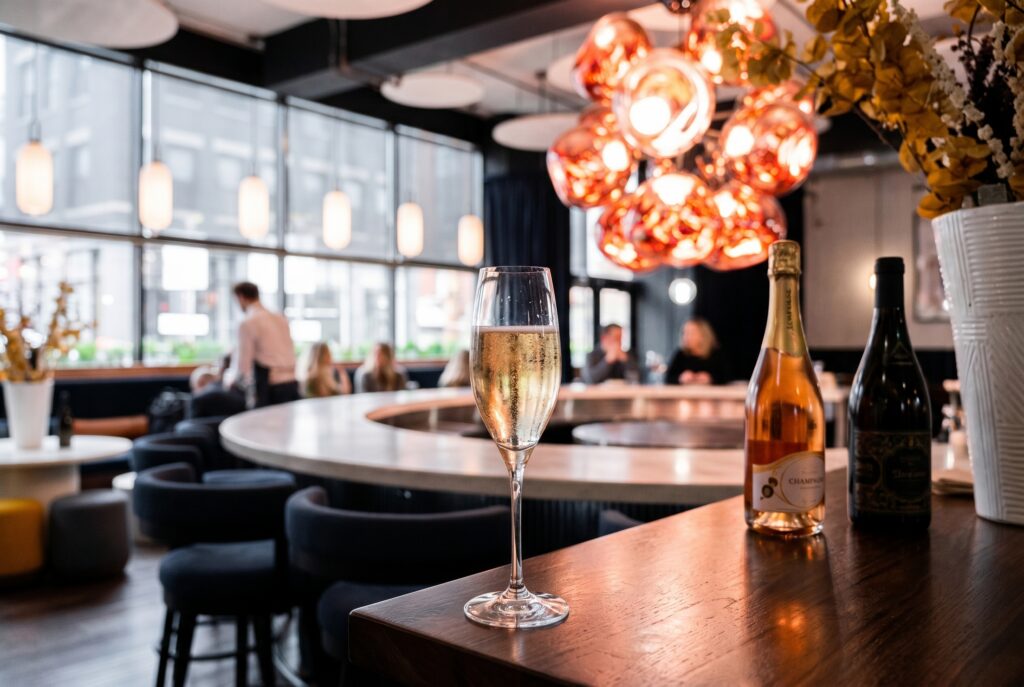
Most nights at One, eighteen guests sit down to the same single tasting menu, built the way it always is. A few times each season, something shifts. A chef from somewhere else stands at the counter. A ferment reaches the exact week it was built for. A harvest comes in too good to wait for the regular rotation. These are those nights.
UPCOMING EVENTS
JULY 2026
American Made
July belongs to American producers, poured without apology. The bar opens with a botanical distillate from St. George Spirits, built using the same rotary techniques the kitchen leans on for its own extractions. From there the night moves through a domestic answer to Champagne, a Vermont rye built on a farm-to-barrel story, and a single malt from the Pacific Northwest that treats American grain the way Scotland treats peat. Independence Day sits in the background, not the foreground. The point isn’t a flag. It’s the case that domestic distilling and winemaking now belong in any conversation the French or Scots might start.
AUGUST 2026
The Long Maceration
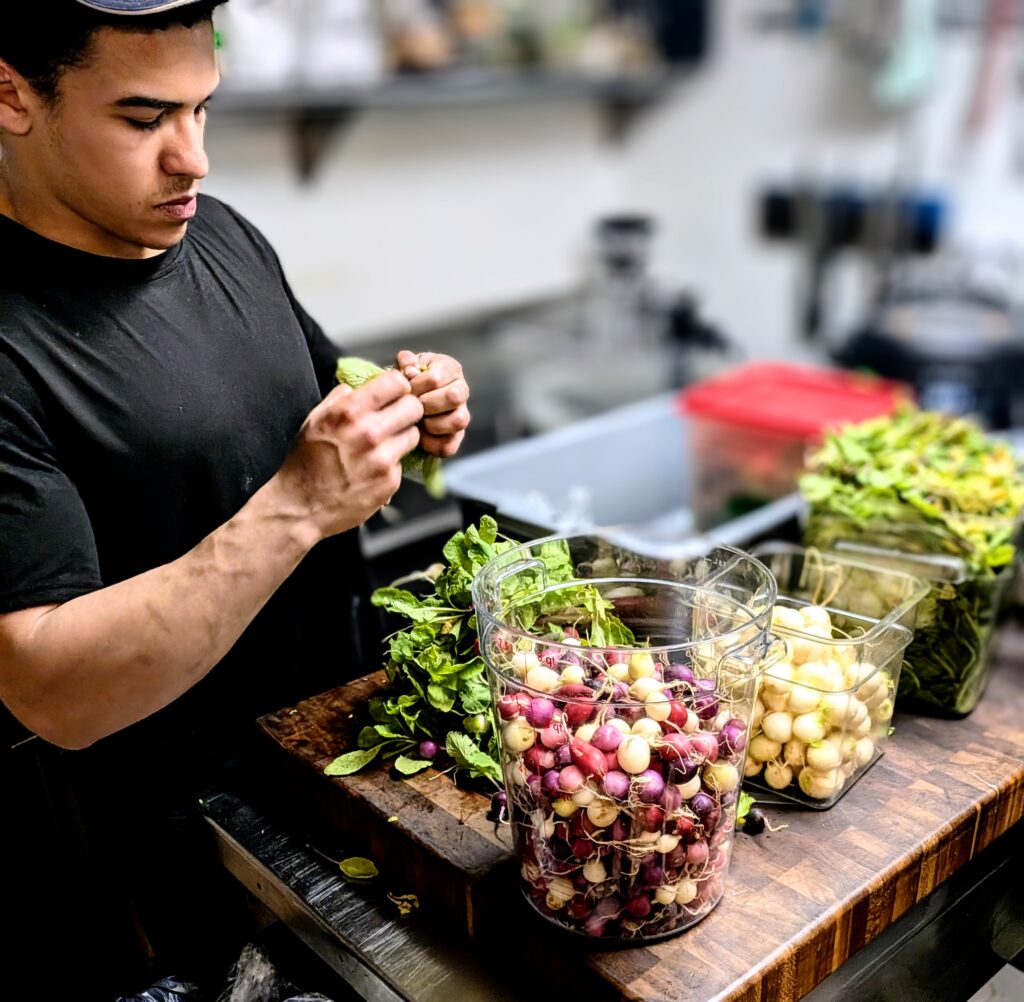
August is for wines made by stepping back. Skin contact, ambient yeast, weeks of patience instead of intervention, the kind of winemaking that lets color and tannin happen on their own schedule. The lineup moves from a qvevri-fermented Georgian amber, the oldest skin-contact tradition there is, through a Slovenian orange wine, a copper-hued Friuli Ramato, and a voile-aged Jura Savagnin built the same way vin jaune has been built for centuries. In the kitchen, koji-cured proteins and house misos meet the wine’s own slow transformation. Two kinds of patience, same table.
SEPTEMBER 2026
Eau de Vie
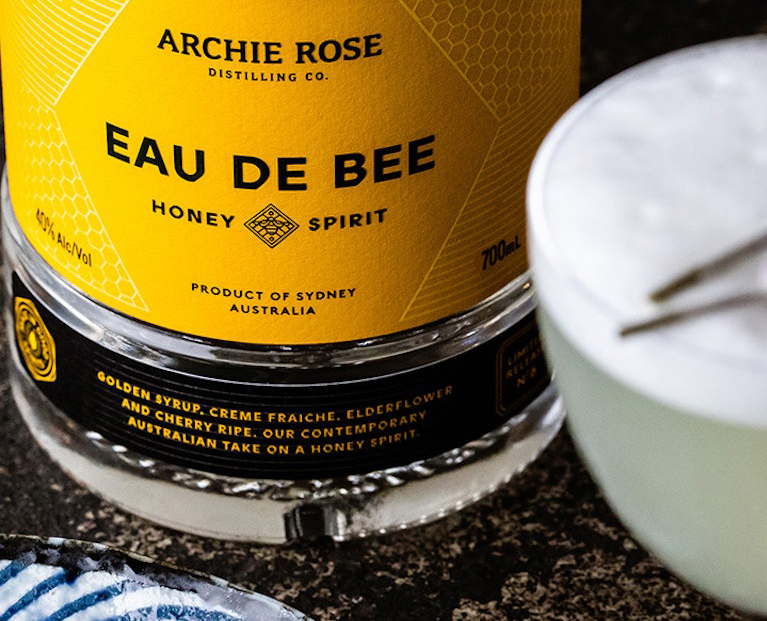
September is fruit, distilled down to its truest form. Every pour traces back to one piece of fruit at its peak: Oregon pears in a Poire Williams, a single Lorraine plum variety in the Mirabelle, Morello cherries in the kirsch, Normandy apples aged at least two years in the Calvados. Each course pairs a different preservation technique against the spirit it echoes, pickled, dried, smoked, fermented. By the end of the night, one idea has been turned over from every angle: what a single ingredient can become once you give it enough time and the right hands.
OCTOBER 2026
Age
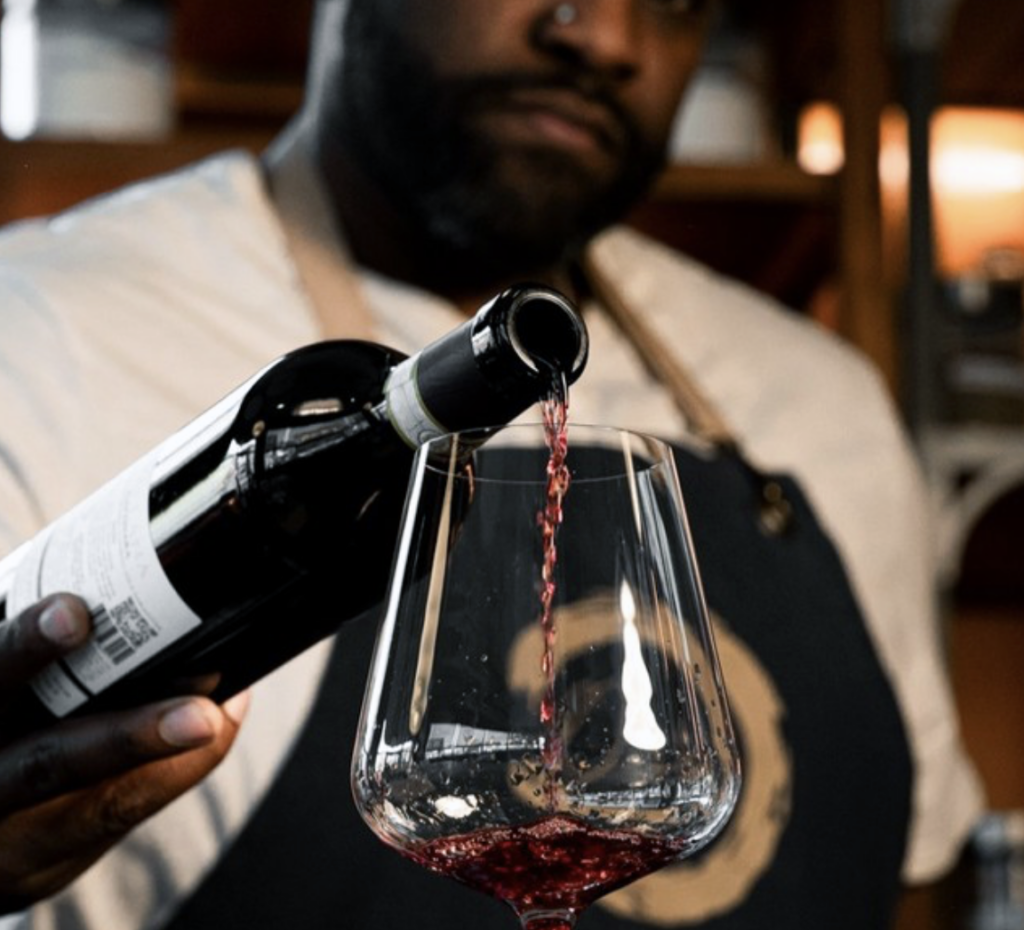
October is built on the argument that nothing good can be rushed. Every glass on the table has been waiting: vintage Champagne, an aged white Burgundy with nearly a decade behind it, a year-specific Armagnac, a rum aged past eight years, a red Burgundy or Barolo well past twelve. In the kitchen, the same logic applies. The amazake has been fermenting for months. The miso has been aging since last winter. This is the most patient dinner of the year, and also the most convincing one. Time, it turns out, is an ingredient.
NOVEMBER 2026
The Cellar
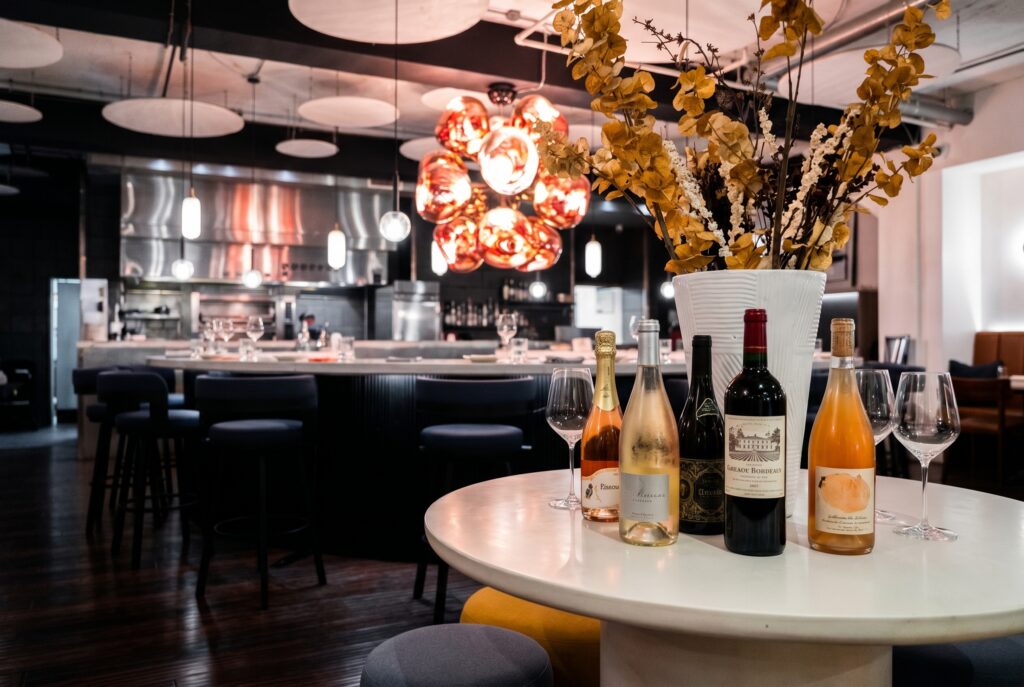
November introduces Pittsburgh to wines it hasn’t met yet. These are bottles our distributors are still fighting to place, producers who deserve more attention than they’ve gotten, chosen for quality and story rather than name recognition. The courses were built around the wines, not the other way around. It’s less a wine dinner than an editorial decision, the kind a national wine publication might stake a claim on, six months before anyone else notices.
DECEMBER 2026
Effervescence
December is sparkling, in every direction the word can be taken. Grower Champagne from a single village opens the night, followed by English sparkling wine grown on chalk soil with no interest in borrowing Champagne’s name, a pet-nat that still tastes like the season it was bottled in, a sparkling sake built from the house fermentation program, and a return to grower Champagne to close the arc. It’s the most festive structure on the calendar, built with the same depth as every other night this year. The kind of dinner that’s easy to give as a gift and hard to forget after.