


Our Philosophy
A single table can hold multitudes.
This is what we are here to prove — not once, but every evening. Not to every critic, but to every guest who pulls up a chair and trusts the table with a few hours of their life.


THE BELIEF
We're not interested in being just a restaurant. We're interested in being a complete one.
One by Spork is not built around volume, prestige, or the accumulation of impressive parts. It is built around a single question, asked seriously and answered fully every night: what is possible when a meal is treated as a complete thought?
One table. One seating. Eighteen guests. A kitchen in full view. A menu that changes with the soil, the season, and the slow logic of ferments that have been tending themselves for months before any of this evening's guests arrived.
The answer to that question is different every night. But the structure that makes it possible stays the same - because the structure is the belief.
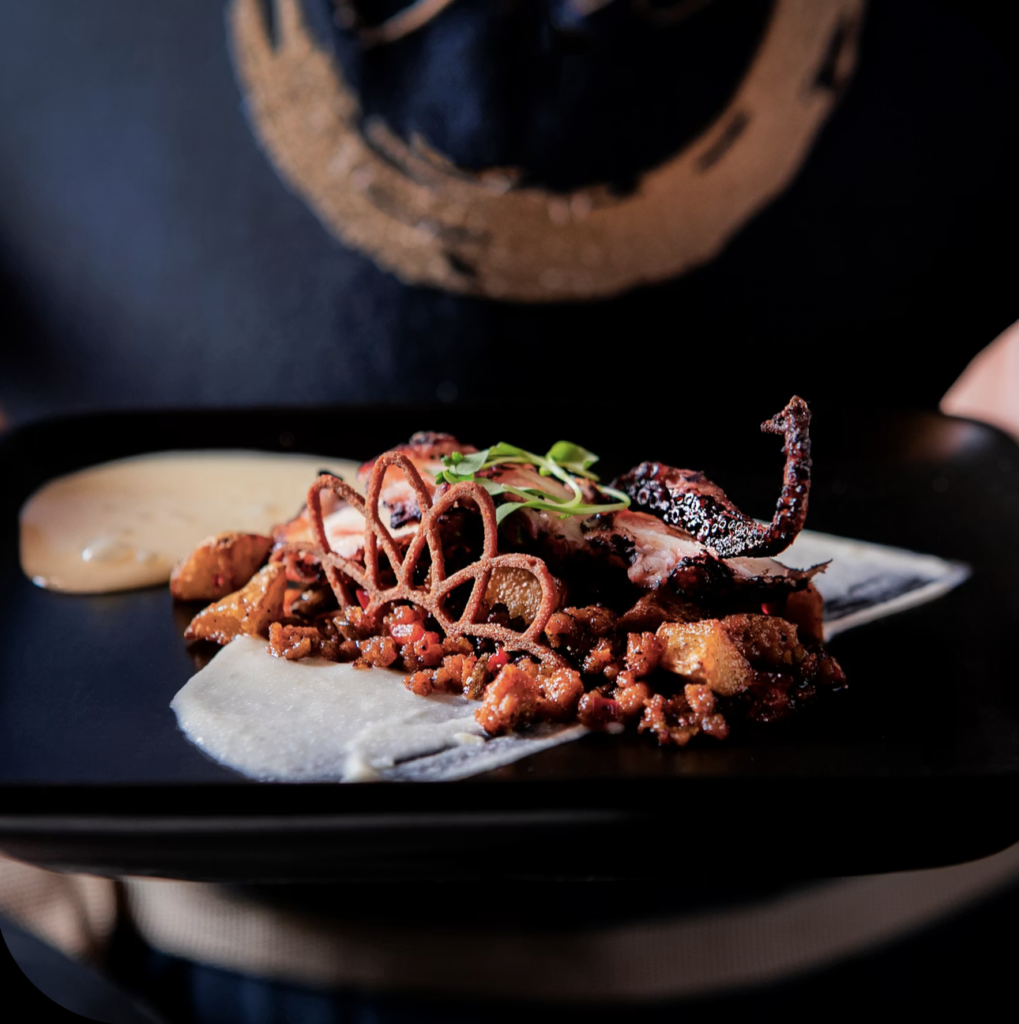
ONE TABLE
The choice to do one thing and hold it well.
Most restaurants are built around optionality — more tables, more covers, more flexibility, more reach. One by Spork was built around the opposite instinct: that constraint, applied with purpose, produces depth that scale cannot.
A single circular table. A single shared seating. Every guest is present for the same arc of the evening. The kitchen is visible not as a theater but as honesty — an open room where the work is simply the work, unobscured.
This structure is not precious. It is not limiting. It is the condition under which genuine hospitality becomes possible: where a team of people can give their full attention to a single gathering and hold it with care from the first pour to the final course.
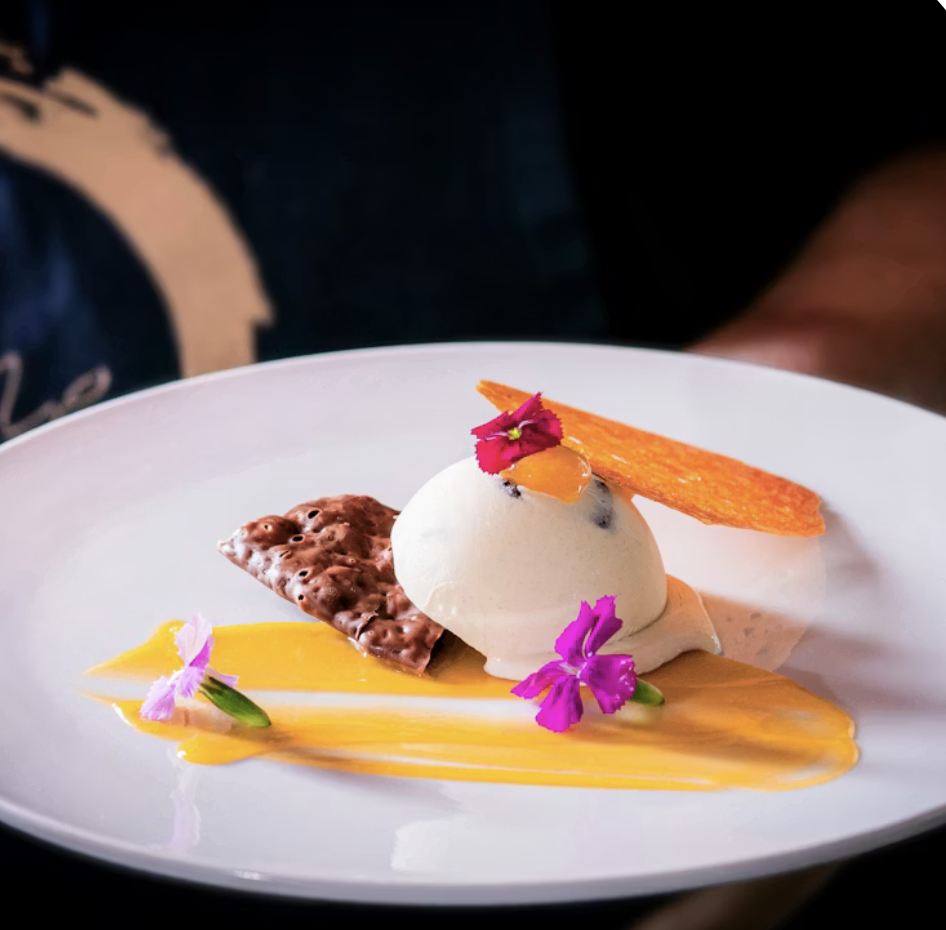
THE AMBITION
Not just the best in Pittsburgh, One of the best anywhere.
That is a quiet statement to make — and we make it quietly. Not as a claim to be defended, but as a standard to be held. Every ferment, every pairing, every course, every decision about what belongs at the table and what does not is made in relation to that standard.
We are not a Pittsburgh restaurant trying to become something more. We are a restaurant — one that exists in Pittsburgh, is shaped by Pittsburgh, grows its ingredients in Pittsburgh soil — that is participating in a national and international conversation about what a meal can be and what a restaurant can mean.
The conversation is not about technique or accolades. It is about whether a small, careful, deeply considered experience can hold its own alongside the best anywhere. We believe it can. We are building the proof nightly.

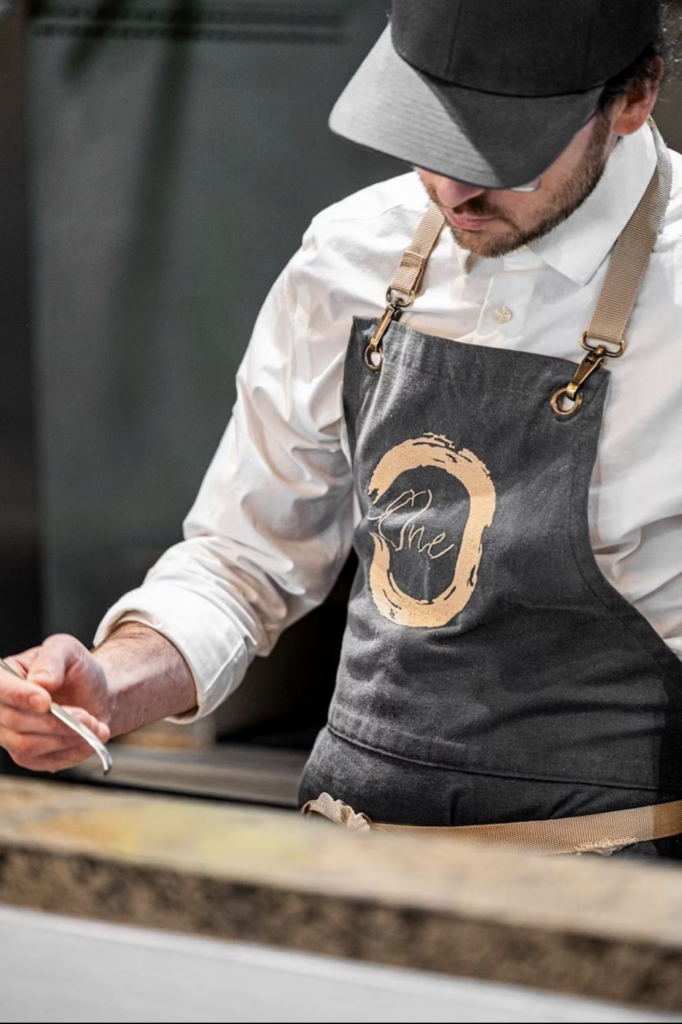
Our Story
Nine years of becoming something more specific.
The original Spork opened in Bloomfield in 2016 with a belief that Pittsburgh’s dining scene was ready for something it hadn’t yet been offered. Over nine years, that belief was tested, refined, and gradually distilled — through a James Beard nomination, through the development of an urban garden, through the slow evolution of a culinary identity that kept pressing toward greater clarity and less compromise.
By 2024, the question was no longer what Spork could become. It was whether there was a form that could hold everything the team had learned without the weight of what it had outgrown.
One by Spork is that form. Not a rebrand. Not a new chapter of the same story. A distillation — the reduction of nine years of exploration into something more concentrated, more deliberate, and more fully itself.
2016: SPORK OPENS IN BLOOMFIELD
2016: SPORK OPENS IN BLOOMFIELD
2022: James Beard nomination
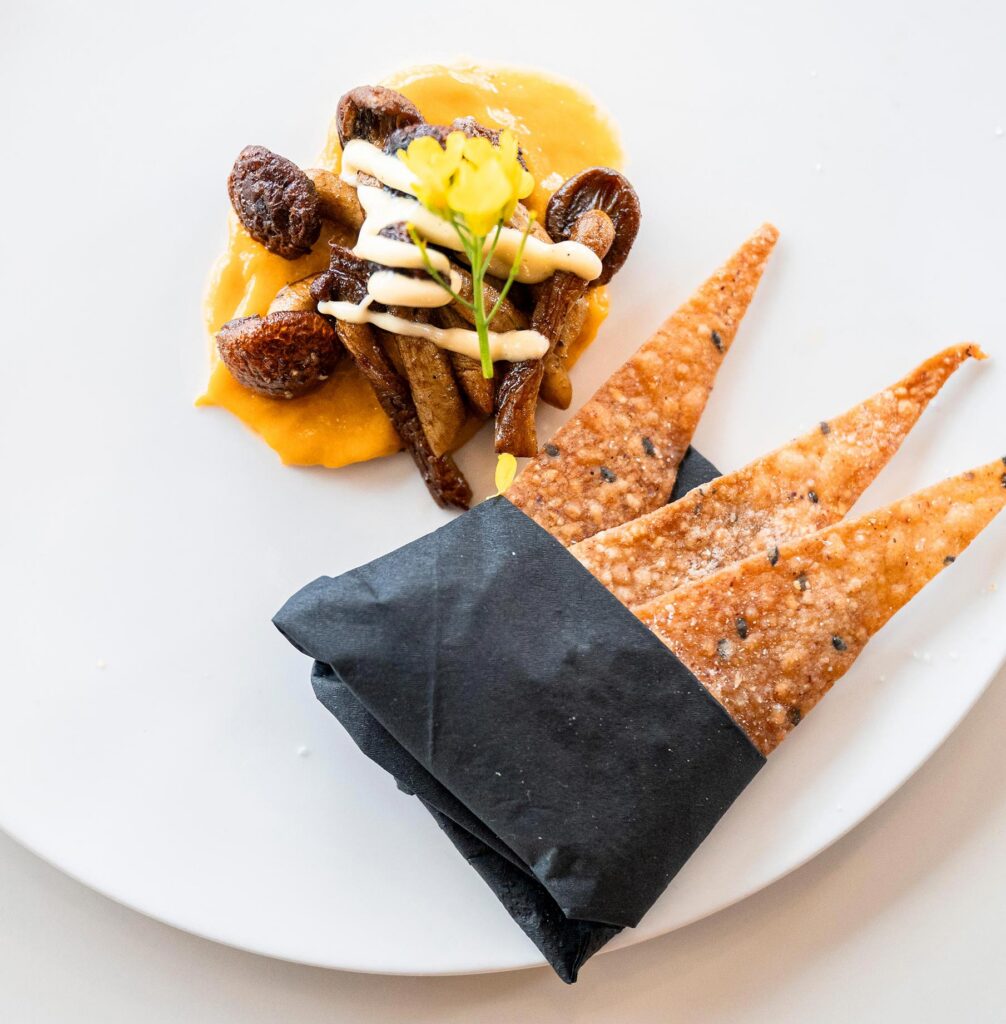
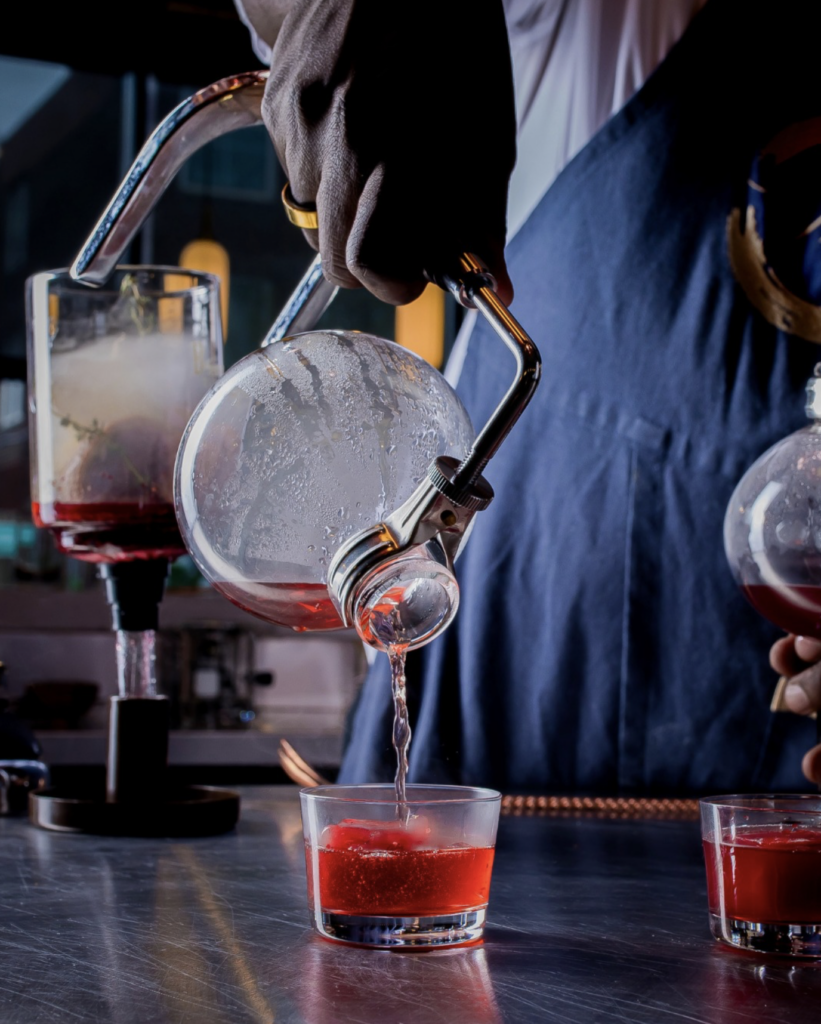
Four values. One table.
Everything that happens here is guided by the same things.
Crafted Connection
Harmonic Gastronomy
Conscious Creativity
Presence Over Performance
The most meaningful experiences are felt, not performed. We are not interested in spectacle, explanation, or impressing anyone. We are interested in a room where time slows, attention deepens, and something real is tasted.
WHO THIS IS FOR
For anyone willing to slow down.
One by Spork is not for a particular kind of person. It is for a particular kind of evening — one where the phone goes quiet, the pace changes, and the meal becomes the main thing rather than the background of something else.
We host eighteen guests each night. We offer one menu. We ask nothing of guests except their presence — and in return, we give our full attention to the two or three hours they have trusted to the table.
What they find here is a meal that could only exist in this moment: this season, this soil, this particular conversation between kitchen and bar. It will not repeat exactly. It is not meant to.